Taurus 856 and 605 revolvers: a snub-nose carry guide
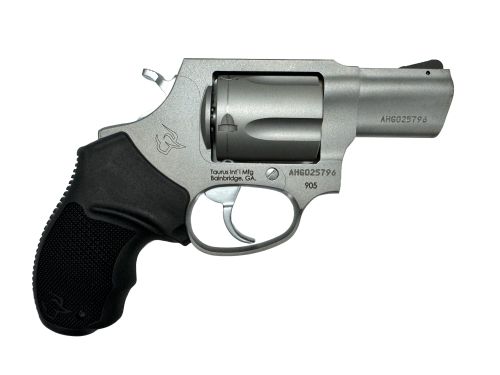
The small-frame revolver refuses to go away, and Taurus sells more of them than almost anyone. The 856 is a six-shot .38 Special snub; the 605 is a five-shot .357 Magnum on a similar frame. Both are simple, reliable, easy to carry and inexpensive, and both come in enough versions that choosing one takes a little reading. This guide sorts them out. It is drawn from Taurus's published specifications and owner reports; we are an independent store, not affiliated with Taurus, and every revolver ships to your licensed dealer.
Why a snub revolver in 2026
A revolver has no magazine to fail, no slide to short-stroke and no safety to forget. It can be fired from inside a coat pocket, it tolerates neglect, and a .38 Special from a 2-inch barrel is a proven defensive load. The costs are capacity (five or six rounds), a long double-action trigger that takes practice, and slower reloads. For a pocket gun, a backup, a nightstand gun for a less experienced family member or a first handgun for someone who wants simplicity, the snub still makes sense.
The 856
A six-shot .38 Special rated for +P, with a 2-inch barrel, an overall length near 6.5 inches and a weight of about 22 ounces in steel. The sixth round is the 856's selling point against the five-shot revolvers it competes with. Versions include a stainless finish, the Ultra-Lite with an aluminum frame near 16 ounces, a 3-inch barrel model, the 856 Defender with a 3-inch barrel and a night-sight front, the T.O.R.O. cut for a micro red dot, and the Executive Grade with upgraded fit and finish. The double-action trigger is reported as smooth for the price; single-action is crisp.
The 605
A five-shot .357 Magnum with a 2-inch barrel, about 24 ounces in steel. The 605 shoots .38 Special as well, which is how most owners practice, and .357 Magnum for defense or the woods. Full-power .357 from a 2-inch, 24-ounce revolver is sharp; owners commonly settle on .38 Special +P or a mid-power .357 load for carry. The 605 also comes as the 605 Defender with a 3-inch barrel and the T.O.R.O. with an optic cut.
856 or 605
- 856: six rounds, lighter, softer to shoot, the better pure carry gun.
- 605: five rounds, the option of .357 Magnum for woods carry or for people who want the harder-hitting load and will practice with it.
Barrel length: 2 or 3 inches
The 3-inch Defender models add an inch of sight radius, a little velocity, a full-length ejector rod that kicks out cases cleanly, and a better front sight. They are slightly harder to pocket and no harder to carry on the belt. Many owners consider the 3-inch the better shooter and the 2-inch the better pocket gun.
Ultra-Lite or steel
The aluminum-framed Ultra-Lite saves about six ounces, which matters in a pocket or an ankle holster and costs you in recoil; +P in a 16-ounce revolver is unpleasant for extended practice. Steel is the better range gun and the better choice if you will shoot the revolver a lot.
Sights and optics
Fixed sights, a serrated ramp or a night-sight front on the Defenders, a notch rear in the frame. The T.O.R.O. versions accept a micro red dot on the Holosun K footprint, which owners report makes a snub far easier to shoot precisely. Point of impact is regulated for standard loads; heavy or light bullets shift it a little.
Grips and trigger
Rubber grips are standard and absorb recoil well; the Executive Grade wears wood. Owner reports on the double-action pull are that it is smooth and heavy from the box, around 10 to 12 pounds, and smooths further with use. Dry practice with an empty, checked revolver is the cheapest way to master it.
Ammunition
For the 856: standard-pressure .38 Special wadcutters or 130-grain loads for practice, and a +P defensive hollow point designed for short barrels for carry. For the 605: .38 Special for practice, .38 +P or a short-barrel .357 load for carry. Full-house 158-grain .357 belongs to the woods and to owners who have practiced with it.
Holsters and carry
Pocket holsters that cover the trigger and square the outline, inside-the-waistband holsters for belt carry, and ankle holsters for the Ultra-Lite are the common choices. Speed strips carry a reload flat; speedloaders are faster and bulkier.
Care
Revolvers ask little: wipe down, clean the bore and chambers, a drop of oil at the crane and on the ejector rod, and check the ejector rod is tight. Do not oil the internals heavily. Inspect the cylinder gap and timing occasionally; a revolver that spits lead or whose cylinder does not lock up on every chamber goes to Taurus's Bainbridge service center under the warranty.
Reliability, as reported
Owner reports on the 856 and 605 are mostly positive for the price, with the usual small-revolver notes: a heavy double-action pull from the box that smooths with use, occasional reports of a loose ejector rod that a drop of thread locker cures, and light strikes in a small number of guns that Taurus repaired under warranty. Current production reports are cleaner than those from a decade ago. Dry-fire practice and a few hundred rounds are the acceptance test.
Who should buy one
- A first handgun for someone who wants simplicity: 856 steel, 3-inch.
- Pocket carry: 856 Ultra-Lite, 2-inch.
- Woods gun that carries: 605 Defender.
- Backup to a semi-auto: either 2-inch model.
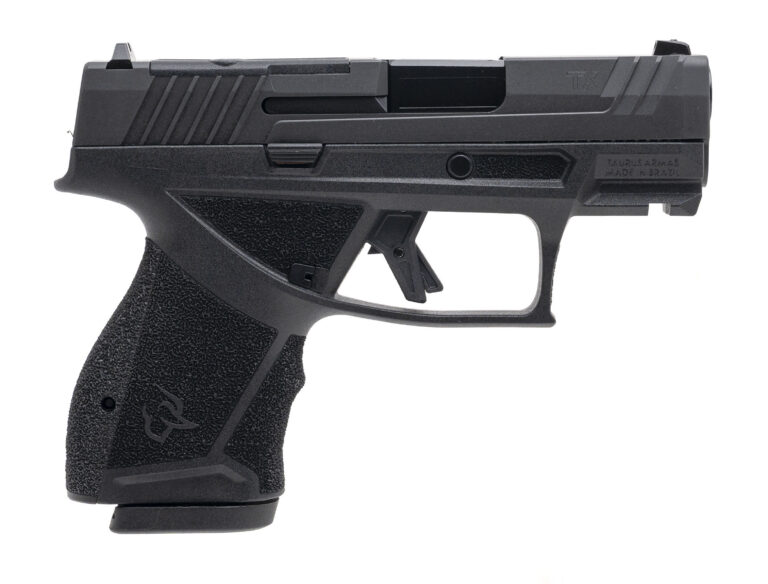
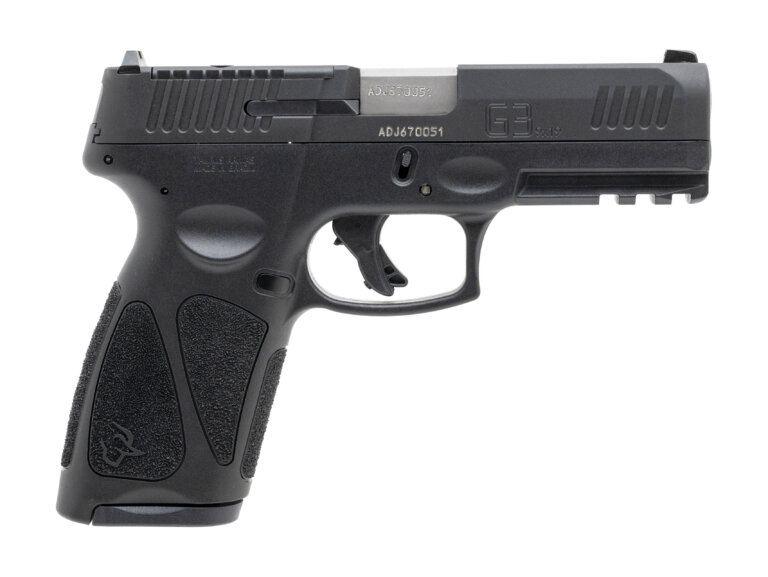
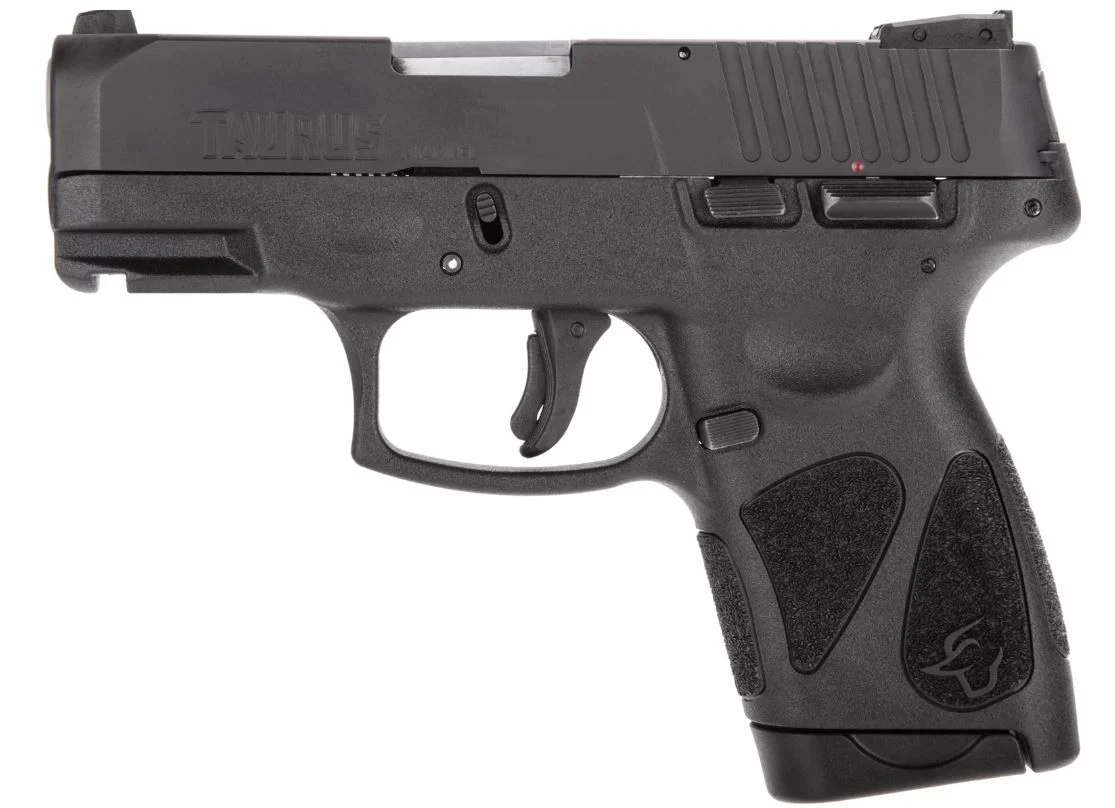
If you would rather have a semi-auto for the same money, the G3c guide and the GX4 guide cover the pistols. Revolvers are serialized handguns and transfer the same way: dealer, Form 4473, background check, age 21; the state-by-state guide has the rules. Search 856 or 605, or browse revolvers.
General information, not legal advice. Current as of September 2026. Laws change; check the official source before you act.